eSIM vs physical SIM: which one is better in 2026
In 2026, smartphones are steadily moving away from traditional SIM cards in favor of digital alternatives. eSIM technology has become mainstream in the U.S. and worldwide, giving users more flexibility when choosing a mobile connection. When comparing eSIM vs physical SIM, most people base their decision on everyday needs, including remote work, frequent travel, and device compatibility. The right option ultimately depends on how and where you use your smartphone.
What eSIM and physical SIM actually are
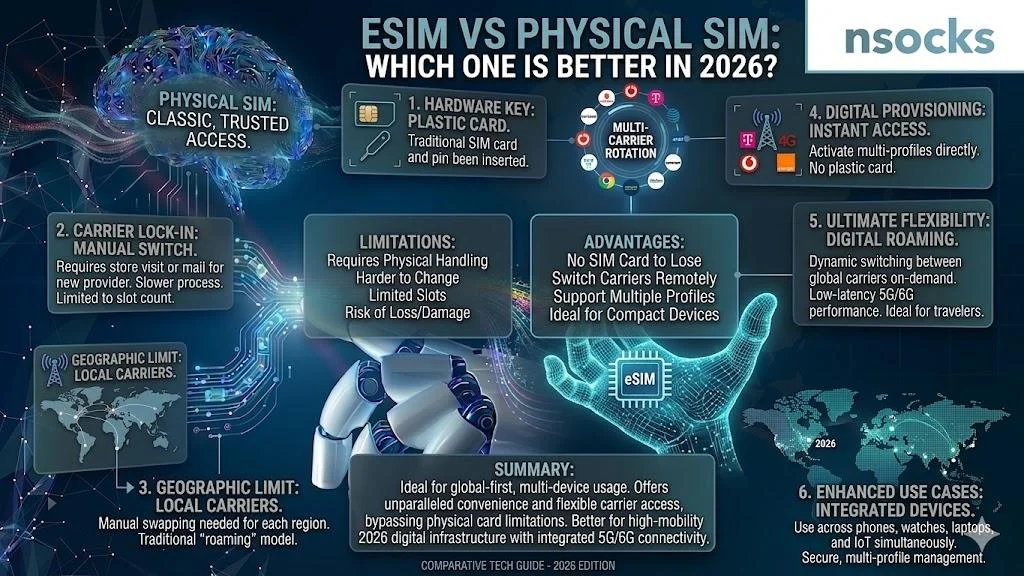
First, it’s important to understand the difference between eSIM and SIM. Both technologies connect your smartphone to a mobile carrier, but they work differently. A physical SIM card is the removable chip that fits into your phone’s SIM tray. An e SIM, by contrast, is built directly into the device and allows users to activate carrier plans digitally without inserting a card manually. The following SIM card comparison shows the main differences between traditional physical card technology and modern digital mobile functionality.
| Specifications | Digital SIM | Physical card |
|---|---|---|
| Wear | No physical wear and tear | Can wear out or become damaged over time |
| Form factor | Built into the smartphone | Removable plastic card |
| Profile storage | Supports multiple carrier profiles | Usually limited to one profile |
| Carrier switching | Remote activation through a QR code or app | Requires physically replacing the card |
💡Both eSIM vs SIM card technologies rely on the same security principles to authenticate users on a mobile network. Your carrier verifies the encrypted credentials stored in the mobile profile and then provides access to calls, text messaging, and mobile data.
Key differences between eSIM and physical SIM
An eSIM vs nano SIM comparison should also consider the practical differences between the two technologies.
| Parameter | Digital SIM | Physical card |
|---|---|---|
| Plan availability | Large selection of international plans | Limited by physical card availability |
| Ease of installation | Activated online within minutes | Usually requires getting a physical card |
| Portability | Can be harder to transfer to a new smartphone | Easy to move between devices |
There are also several additional differences to keep in mind:
- 💡you need a Wi-Fi connection to activate a digital profile;
- 💡a traditional physical card only needs to be inserted into the device tray;
- 💡switch from SIM to eSIM can free up extra space inside a smartphone.
It’s also important to consider the pros and cons:
- ✅ the digital format cannot be physically damaged during installation;
- ✅ multiple phone numbers can be stored on one device;
- ❌ you cannot remove the profile and insert it into a backup phone if the device stops working;
- ❌ a compatible modern smartphone is required.
Ultimately, the choice between eSIM vs physical SIM depends on personal preferences and everyday usage.
Installation and activation process
A physical SIM card usually requires visiting a carrier store, although inserting the card into a smartphone only takes a few seconds. With a digital mobile profile, users can activate a mobile plan from home in just a few minutes using Wi-Fi. Here’s a step-by-step guide:
- Select a plan on the carrier’s website and complete the purchase.
- You’ll receive an email with a unique QR code.
- Open your smartphone’s mobile network settings and tap “Add Plan.”
- Scan the QR code using your smartphone’s camera.
- Wait a few minutes while the carrier activates the profile.
At the same time, SIM swapping convenience still appeals to users who prefer quickly moving a physical card between devices.
Flexibility and switching between carriers
For frequent travelers, the eSIM vs physical SIM comparison often favors that virtual card because of its added flexibility.
💡Users can keep their primary phone number active for calls and messages while using a separate local data plan during business trips to reduce roaming costs.
For example, a sales manager who regularly travels between the U.S. and Europe does not need to search for a carrier store or airport kiosk every time they arrive in a new country. Instead, they can switch between carrier profiles directly on their smartphone.
Security and reliability comparison
Security is another important factor when comparing eSIM or physical SIM technology.
| Threat | Digital SIM | Physical card |
|---|---|---|
| Device loss | The profile can usually be restored remotely | A replacement card must be requested from the carrier |
| Cloning | More difficult due to built-in encryption and remote activation | Physical cards are generally easier to tamper with or duplicate |
| Smartphone theft | The embedded mobile profile cannot be physically removed from the device, making tracking easier. | The card can be removed and inserted into another phone |
“Built-in technology creates additional obstacles for thieves and scammers. Removing a digital mobile profile from a stolen device is much harder than removing a traditional physical card,” says a cybersecurity expert.
Now let’s look at some of the eSIM pros and cons:
- ✅ the digital profile is protected by the smartphone’s security settings;
- ✅ frequent travelers do not have to worry about losing a small physical card;
- ❌ some users may have privacy concerns about remote carrier activation.
Despite these concerns, more users are switching to this technology because of its convenience and flexibility.
Advantages of eSIM in 2026
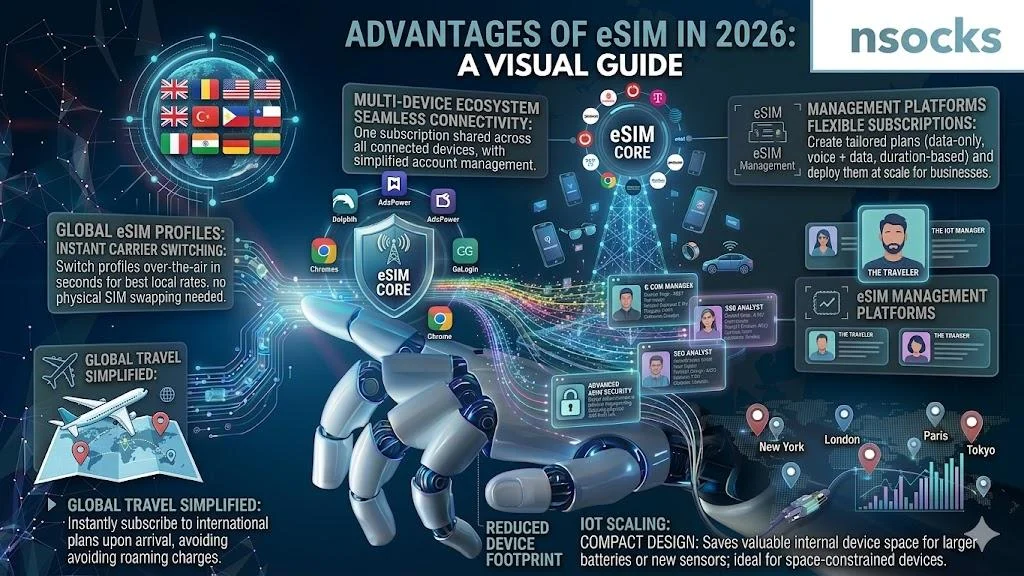
The main eSIM advantages 2026 have become clear to both consumers and mobile carriers. As adoption continues to grow worldwide, the industry is accelerating the pace of mobile technology evolution. Here are some of the main benefits behind eSIM adoption growth:
- 🎰 instant network activation almost anywhere in the world;
- 🎰 multiple phone numbers on a single device;
- 🎰 less plastic waste from physical card production;
- 🎰 better protection against physical removal and device tampering.
💡By reducing the need for plastic cards, retail distribution, and large logistics networks, mobile carriers can significantly lower operating costs.
For example, a remote worker from the U.S. living in Bali can use a digital mobile profile to activate an affordable local data plan within minutes. At the same time, they may rely on secure U.S.-based proxy services such as nSOCKS to maintain stable access to corporate systems and region-specific online services.
Advantages of physical SIM still relevant today
That said, in the eSIM vs physical SIM debate, traditional cards still have several advantages in certain situations:
- 🎰 complete independence from a specific device;
- 🎰 no internet connection required for activation;
- 🎰 compatibility with older and budget smartphones.
Here are some of the main pros and cons:
- ✅ compatible with virtually all mobile phones;
- ✅ easy to move to another device if the smartphone stops working;
- ❌ physical cards can be lost, damaged, or worn out over time.
Despite the growing popularity of this technology, many users still prefer traditional cards for their simplicity and compatibility.
Device compatibility and limitations
If you are asking yourself, should I use eSIM, the first step is checking whether your device supports the technology.
| Device | eSIM | SIM |
|---|---|---|
| Flagship smartphones (2024-2026) | Yes, often as the primary option | Usually none or one physical slot |
| Budget smartphones | Rarely supported | Usually include two slots |
| Smartwatches | Commonly supported | Rarely available |
💡You can also dial *#06# on your smartphone. If a 32-digit EID number appears, the device supports eSIM technology.
There are still several physical SIM limitations:
- 🎰 many budget Android smartphones do not support embedded mobile connectivity;
- 🎰 some eSIM only iPhone models no longer include a physical slot.
At the same time, many modern smartphones continue to support both formats.
Cost and convenience comparison
The choice between eSIM vs physical SIM can also affect long-term mobile costs.
| Service | Virtual SIM | SIM |
|---|---|---|
| New activation | Usually free | Typically costs between $1 and $10 |
| Number reactivation | Remote activation through the carrier | Often requires a paid replacement card |
| Roaming | Easy access to affordable local plans online | Higher roaming charges from traditional carriers |
💡Frequent travelers can often save money by purchasing a regional virtual data plan instead of relying on standard carrier roaming packages.
Real-world use cases
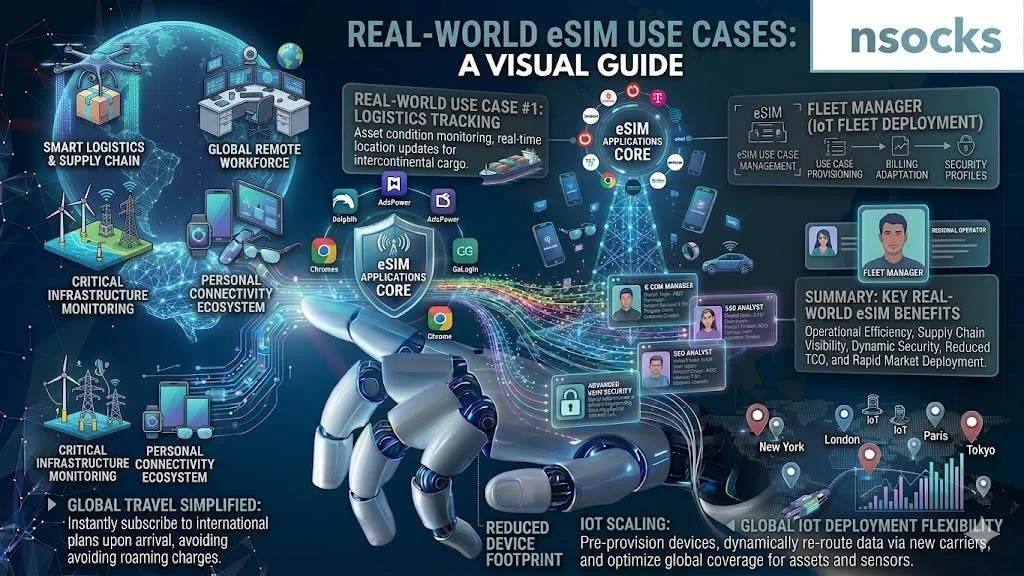
To understand which option works best for you, consider a few common scenarios:
- 🎰 business users often combine digital mobile connectivity with traditional cards by keeping a personal number on a physical card and a work number on an embedded profile;
- 🎰 everyday users should check which connectivity options their carrier and smartphone support;
- 🎰 frequent travelers usually prefer digital mobile profiles to reduce roaming costs.
When comparing digital vs traditional SIM technology, eSIM is often the better choice for users who value convenience, fast activation, and flexibility while traveling.
How to choose between eSIM and physical SIM
If you are still deciding between the two options, consider the following checklist:
- 💡check whether your smartphone supports digital mobile connectivity technology;
- 💡think about how often you travel internationally;
- 💡consider how important security and remote profile management are for you.
Only in this case should you consider using an eSIM.
| Your profile | Recommendation: digital mobile connectivity technology or physical SIM |
|---|---|
| I change phones frequently | Physical SIM |
| I use a flagship smartphone | Digital mobile connectivity technology |
| I travel internationally on a regular basis | Digital mobile connectivity technology |
Your final choice should depend on how you use your smartphone in everyday situations.
Future of SIM technology in 2026 and beyond
From a technological perspective, the future of SIM technology is becoming increasingly clear.
“In a few years, inserting a physical card into a smartphone may feel outdated,” says a telecommunications industry analyst.
💡Many experts expect the continued growth of digital mobile connectivity to gradually eliminate physical card slots from future devices.
Frequently asked questions
Below are answers to some common questions that can help you decide between the two options.
Will eSIMs be better than physical SIM cards in 2026?
In many situations, yes. eSIM technology offers faster activation, easier carrier switching, and greater flexibility for travelers.
Can I use an eSIM and a physical SIM card at the same time?
Yes. Many modern smartphones support Dual SIM functionality with both a digital mobile profile and a physical card.
Is eSIM available on all smartphones?
No. By 2026, eSIM support had become common mainly in flagship and premium smartphone models.
What happens if I lose my eSIM profile?
Most carriers allow users to restore the profile through their app, website, or customer support service.
Which type of SIM card is cheaper for travelers?
For frequent international travel, eSIM plans are often more affordable than standard roaming services.